
Understanding Team Health
Listen to Lesson 3

You can read the text below or press play to listen. It’s the same words, spoken aloud. Choose what works best for you.
Lesson 3 The Role of the Team Leader
How people experience work is shaped more by their immediate leader than by organisational intent. Day-to-day leadership behaviour has a disproportionate impact on clarity, confidence, energy, and follow-through.
Large-scale workplace research consistently shows that:
Around three-quarters of the variation in how people experience work can be traced back to what their manager says and does
Most reasons people give for leaving sit within a manager’s direct influence, particularly around recognition, development, and autonomy
In practice, this means:
People often join organisations for opportunity
They leave when leadership blocks progress
They stay because of teams, and teams reflect the habits and expectations set by their leader
Your role as a team leader is not to motivate people, but to shape the conditions that make good work possible.
How leadership behaviour links to performance
Research from Gallup shows a clear chain between leadership practices, team experience, and business outcomes. When leaders consistently:
Recognise strengths
Place people well
Set clear expectations
Support development
Teams are more likely to deliver:
Better customer experiences
Stronger productivity and quality
More sustainable performance over time
This is not about personality or charisma. It is about everyday leadership decisions, repeated consistently.
Optional Activity Connecting leadership behaviour to business results
Instructions
Match and sequence the following elements from earliest influence to final outcome. Items to rank:
Sustainable growth
Positive team experience
Share price increase
Identify strengths
Engaged customers
Real profit increase
Great managers
The right fit
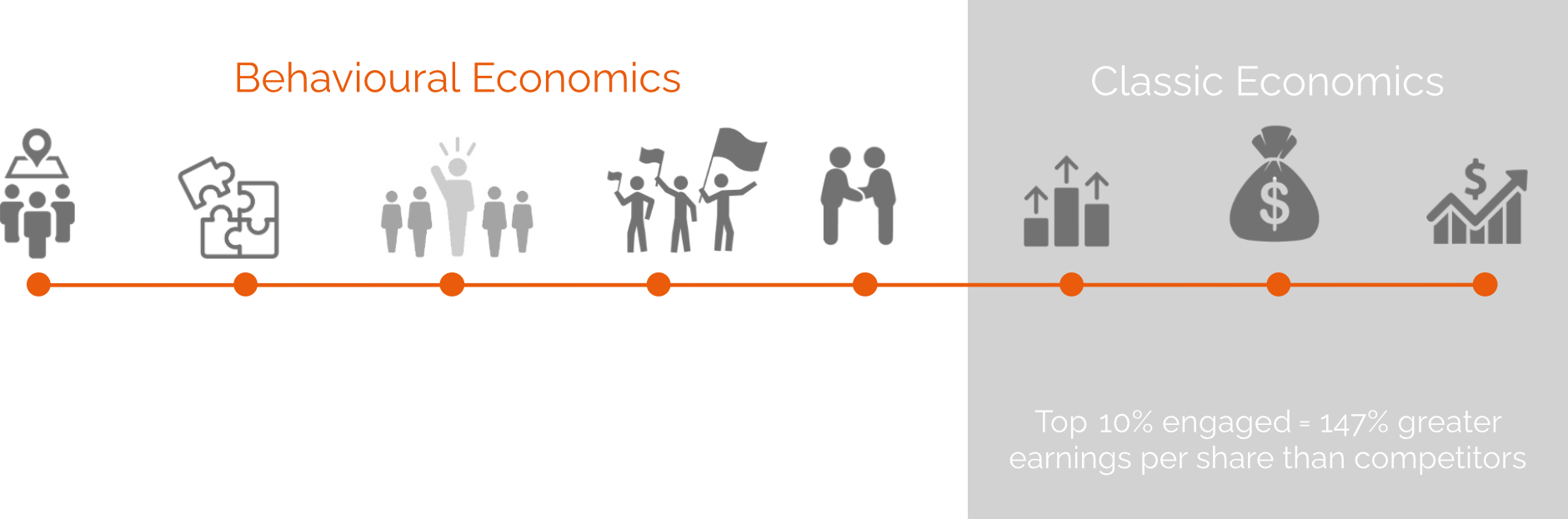
-
Identify strengths Work is easier and more effective when people use what they do best
The right fit Strengths are applied intentionally, not by chance
Great managers Expectations, feedback, and support are consistent
Positive team experience People feel clear, valued, and supported
Engaged customers Service quality improves because energy shows up externally
Sustainable growth Customers return and recommend
Real profit increase Improvements show up across productivity, safety, quality, and retention
Share price increase Organisational value follows operational performance
The key lever in this chain is not strategy. It is the relationship between the leader and the team, and how consistently that relationship is managed.
You have completed this lesson
Remember to click the ‘Complete Lesson’ button